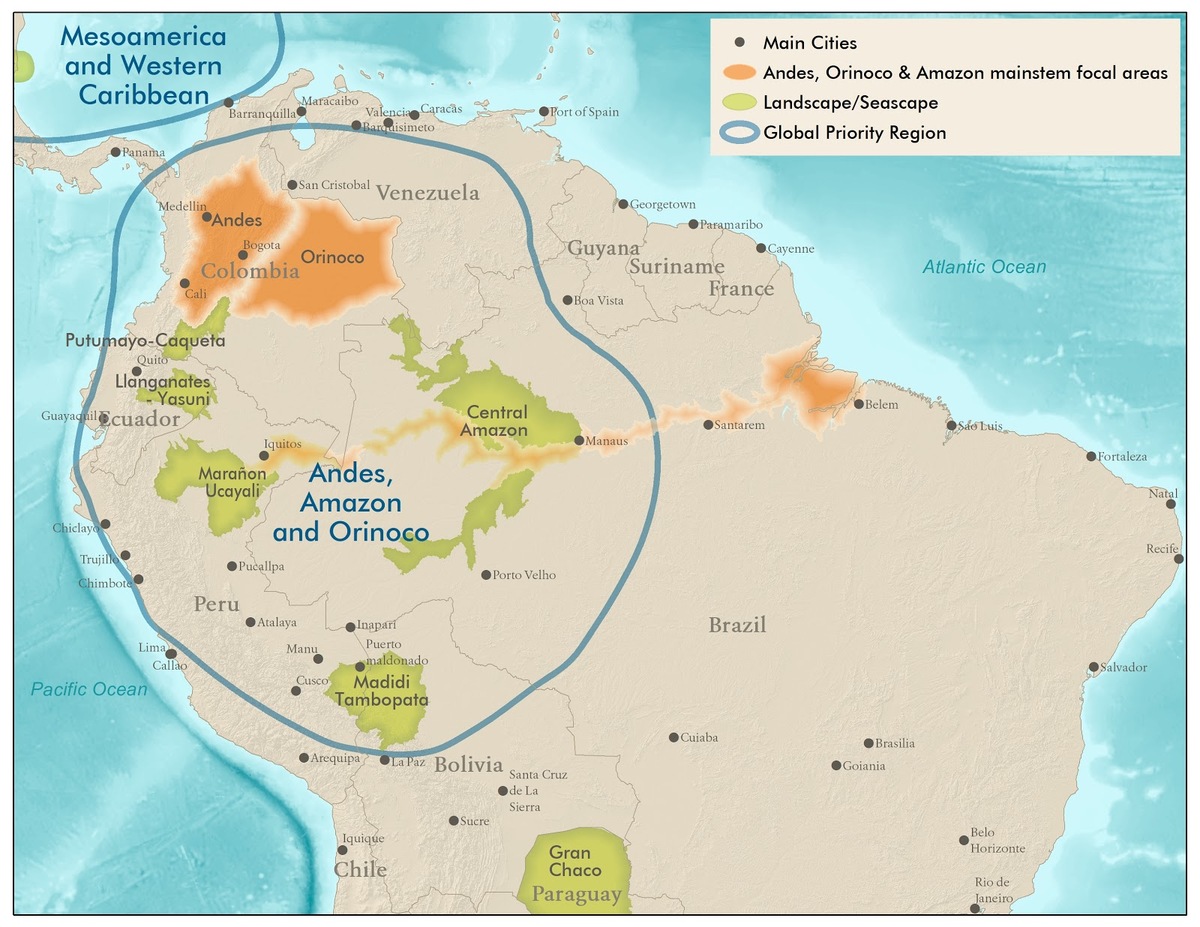
WCS is one of the most significant strategic, scientific, and technical allies of governments and civil society in the protection of outstanding biodiversity, invaluable ecosystem services, and iconic species of the Andes, Amazon, Orinoco region. The region takes its name from the combination of the three most important geo-physical features found in it: the Tropical Andes, a mountain chain that contains high levels of endemism, and which, from a geological perspective, has defined all other features in the region; the Amazon basin which contains the largest intact tropical forest and largest freshwater system in the world; and the Orinoco river basin, which encompasses the second largest natural grassland system in South America.
Where We Work
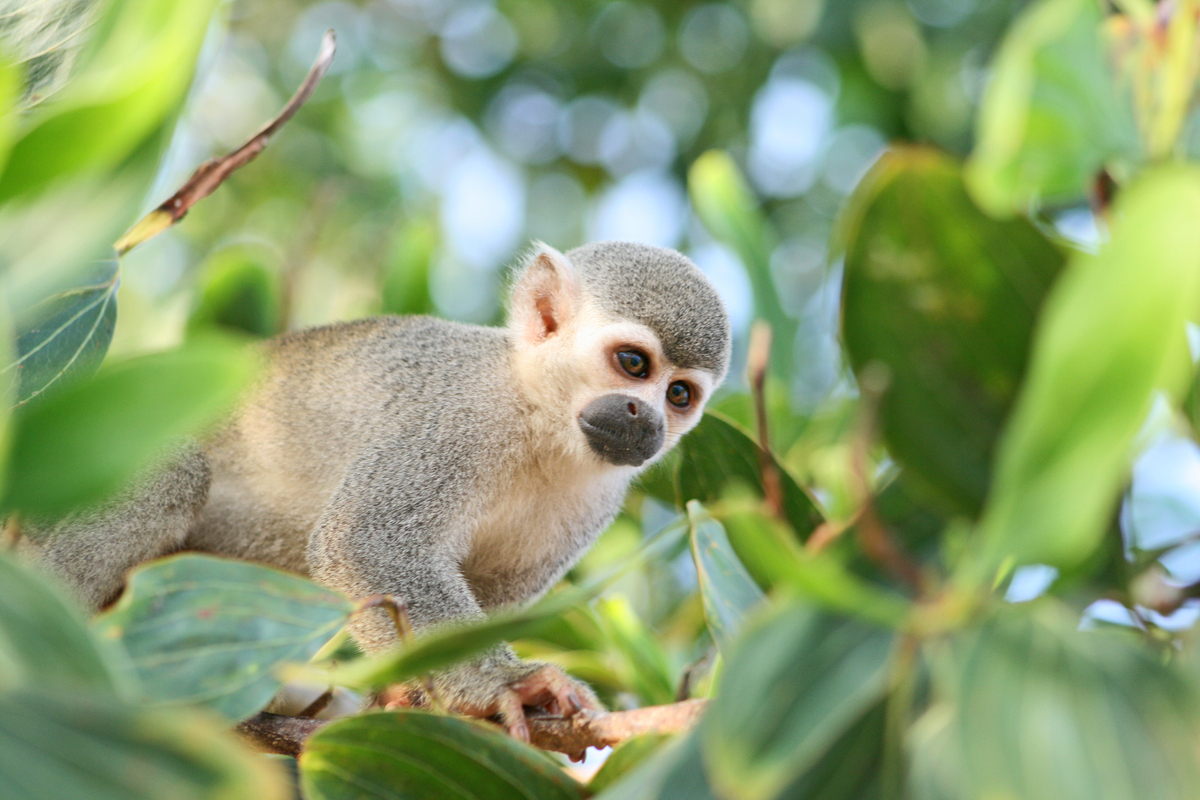
Our priority locations are in key conservation areas across the region. They include areas with relatively high vertebrate biodiversity concentrations; areas that were identified as crucial strongholds for jaguars, tapirs, white-lipped peccaries, Andean bears, and river turtles; and areas selected as aquatic priorities for migratory fish, which constitute the main source of protein for riverine communities.
We work in some of the most important protected areas and indigenous territories for the integrity of the forests and wetlands of the Western Amazon, including iconic protected areas such as Madidi and Yasuni; the emblematic flooded forests of the Loreto region; the biggest RAMSAR site in the world—the Rio Negro sub-basin; and the Amazon river mainstem, which contains the associated floodplains that support the most productive fisheries in the region.
Throughout the Colombian portion of the Orinoco focal area, we help to conserve the dry and seasonally flooded natural savannas interwoven with gallery forests like those found in the Tuparro Biosphere Reserve and Cinaruco Management District. The intricate and complex geography of the Colombian Andes results in some of the most spectacular landscapes of the world, encompassing a vast variety of ecosystems, from glaciers in the iconic Nevados National Park, to tropical forests in the inter-Andean valleys.
We work in some of the largest protected and unprotected blocks of intact paramo grasslands, cloud forests, wetlands and endangered montane and tropical forests in Colombia, critical for the persistence of remnant assemblages of Andean biodiversity (home to over 10% of the world’s bird and amphibian diversity), and important populations of the Andean bear and mountain tapir.
Drivers of Change
Deforestation and land-use change continue to be the major drivers of biodiversity loss, particularly in the Amazon and the Orinoco. Land grabbing, poorly planned and regulated natural resource extraction, large-scale energy and transportation infrastructure, and agro-industrial and mining enterprises, both legal and illegal, drive the degradation of terrestrial ecosystems. Terrestrial and aquatic wildlife species are threatened by habitat destruction and overexploitation for meat, and increasingly by illegal wildlife trade. Aquatic ecosystems and fisheries will increasingly be impacted by changes in the Amazon basin’s hydrological cycle caused by dam projects, upland and floodplain deforestation, and climate change.
Strategic Approach
Major threats to the Andes, Amazon, Orinoco region require conservation approaches implemented and adapted at multiple scales (landscape, subnational, national and regional). Four of the five countries in the region have fully established country programs, which, with support from the regional program, are informing policies and even agreements across nations. On the ground activities occur in five priority landscapes (Madidi-Tambopata, Marañon-Ucayali, Central Amazon, Llangantes-Yasuni and Putumayo-Caqueta) and specific sites in three focal areas (Colombian Andes, Orinoquia and Amazon Mainstem).
Core conservation strategies in all landscapes and focal areas include:
The consolidation of complete, representative, and effective protected areas systems and networks.
The strengthening of resilient, prosperous, and sustainable indigenous territories.
The management of natural resources at appropriate scales by local communities, governments, and private developers.
These core conservation strategies are complemented by three major region-wide initiatives focused on:
Maintaining the connectivity of the vast, interlinked, and dynamic Amazon freshwater system that supports human wellbeing, wildlife, and the environments on which they depend (Amazon Waters Initiative).
Bridging the gap between conservation and development through Public-Private Partnerships for conservation.
We measure the impact of our strategic approach in the region through regular evaluation, at both the project and landscape levels, of wildlife populations and health, consolidation of protected areas, governance mechanisms in place and the contribution of natural resources to local livelihoods. The main long-term outcomes expected in the region include:
Populations of iconic terrestrial and aquatic species (including jaguars, Andean bears, white-lipped peccaries and river turtles) are stable or increasing in at least 12 strongholds across the region
The livelihoods of indigenous and local communities are improved through the sustainable use of biodiversity and ecosystems across five landscapes in the Amazon and three conservation areas in the Colombian Andes and Orinoco.
50% of wetlands in the Amazon (especially flooded forests, which make up roughly 75% of all wetlands) and the Orinoco are effectively conserved.
16.5million acres
From 2016-18, the establishment of a public-private alliance led by WCS contributed to the expansion of Colombia’s National System of Protected Areas by over 16.5 million acres.
144new species
The Identidad Madidi expeditions have increased the number of confirmed species in the Madidi National Park to over 1,800 vertebrates, more than 1,500 butterfly subspecies and more than 5,500 plant species, making it one of the most, if not the most, biodiverse protected area in the world. Overall, the expedition discovered 47 vertebrates, 84 plant species and 13 butterfly subspecies believed to be new to science.
Analyzes records in countries of the Amazon and Orinoco basins and finds conservation projects are protecting more than 147,000 female turtles, an unprecedented figure.
Functional structure and patterns of specialization in plant-pollinator relationships of an agroecosystem in Valle del Cauca, Colombia
Looks at the time pollinators visited flowers and the morphological traits of plants and pollinators. They find that floral abundance and body mass of Hymenoptera influence the length of visit, which might affect the quality of pollination.
Deploying 899 camera traps at 12 stations to determine habitat preferences of ocelots, which were largely unknown. Shows that ocelots are ubiquitous and adaptable, and seemingly abundant in protected areas or wherever there are forests populated with suitable prey.
Shows that the Dahl’s Toad-headed Turtle (Mesoclemmys dahli), a rare reptile found only in Colombia, is threatened with extinction due to alarmingly small and fragmented populations and high levels of inbreeding.
In 2001, Bolivia's Tacana Indigenous People's Council asked WCS to help them to develop and implement a sustainable plan to manage caiman in their territory. With our assistance, the caiman hunters were able to establish a successful business - sales of caiman skins and meat in four Tacana communities contributed $52,200 to 29 families in 2014, and $66,600 to 37 families in 2015. Caiman numbers in the territory are increasing, confirming that the annual harvest plan is sustainable.
Avianca and the Wildlife Conservation Society (WCS) join forces to confront wildlife trafficking by signing an agreement that will not only strengthen the airline's actions in terms of prevention but will also draw upon the technical knowledge and...
WCS Colombia celebrates the expansion of the Sierra Nevada de Santa Marta National Natural Park, a process initiated by the Arhuaco and Kogui Indigenous Peoples for the protection of their ancestral territory.